Your next computer is a personal AI agent. Secure, connected, learning.
A personal AI agent is software that can take on tasks, remember context and independently orchestrate other applications — on a computer, on a server or directly in a chat.
Prioritises messages, prepares replies and keeps track of follow-up tasks.
Collects sources, compares information and delivers a traceable summary.
Connects tools and carries out clearly defined routine tasks.
Analysis by Markus Wolff · Building and testing personal agents since 2024
Which agent fits you?
Personal AI agents are changing how we work and live - explore the new ecosystem.
What do you need an agent for?
Click an agent for more details.
Background & Context
Three deep-dive articles from my blog
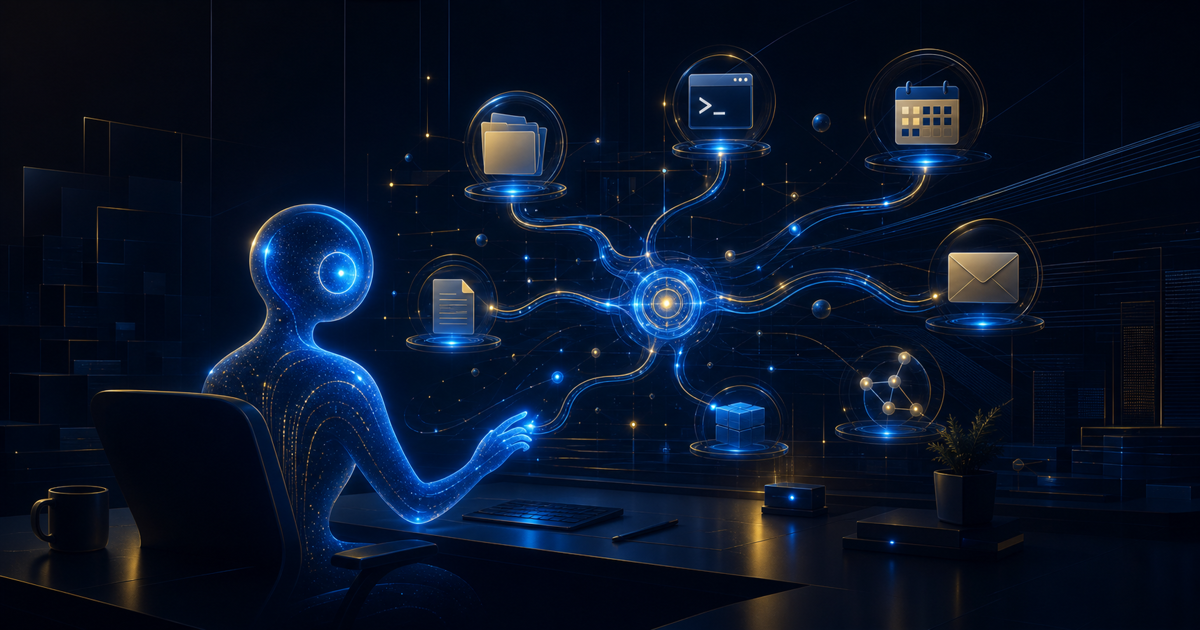
OpenWorker: A Local Desktop Agent for Finished Work
OpenWorker brings a model-agnostic, local-first AI coworker to the desktop, with files, tools, MCP, and approvals before consequential actions.
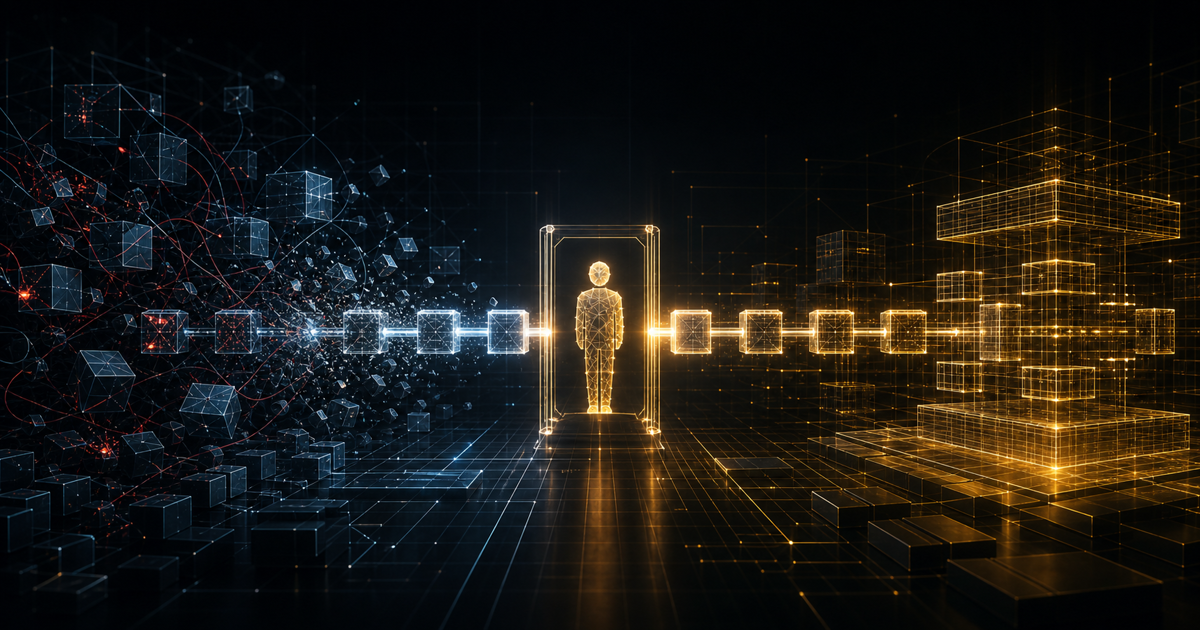
Why AI Software Factories Fail
AI software factories need more than harnesses, loops, and tests. Without human design ownership, maintainability decays.
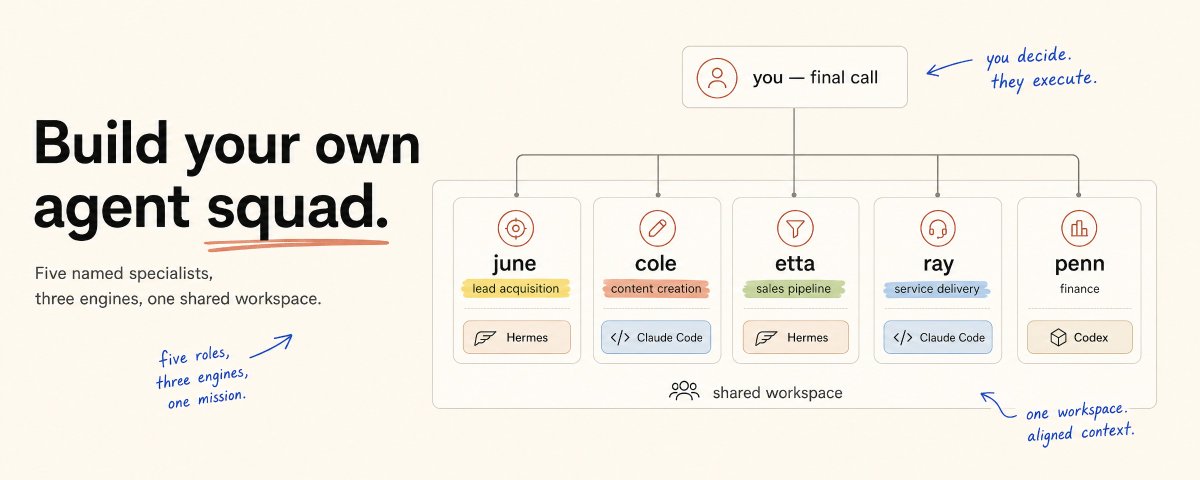
Building Your First AI Agent Team: Roles, Memory, And Review Loops
A multi-agent system is not more chat windows. It needs roles, shared context, reviewers, and clear human approval boundaries.
What I Work On
Analysis and practical knowledge on the central topics of personal AI agents.
How soul.md, system prompts and personality make an agent genuinely useful.
Comparison and analysis of OpenClaw, Hermes, NanoClaw, Doubao, Coze and Yuanbao.
Roles, memory, review loops and human approvals in more complex setups.
What actually works in practice — and what doesn't.
How agents connect to real-world systems.
Where the field is heading economically.

Enterprise Brain. Indie Heart.
In my day job, I lead AI strategy for a large corporation - with all the compliance requirements and scaling challenges that entails. In the evenings, I use personal agents like OpenClaw and NanoClaw, build my own tools, and watch how Tencent, ByteDance and others are building the next major ecosystem.
Personal AI agents will become normal for everyone – not just tech companies. ag3nt.id documents this shift from the inside.
© 2026 Markus Wolff · ag3nt.id